Best Age for Interceptive Orthodontic Treatment
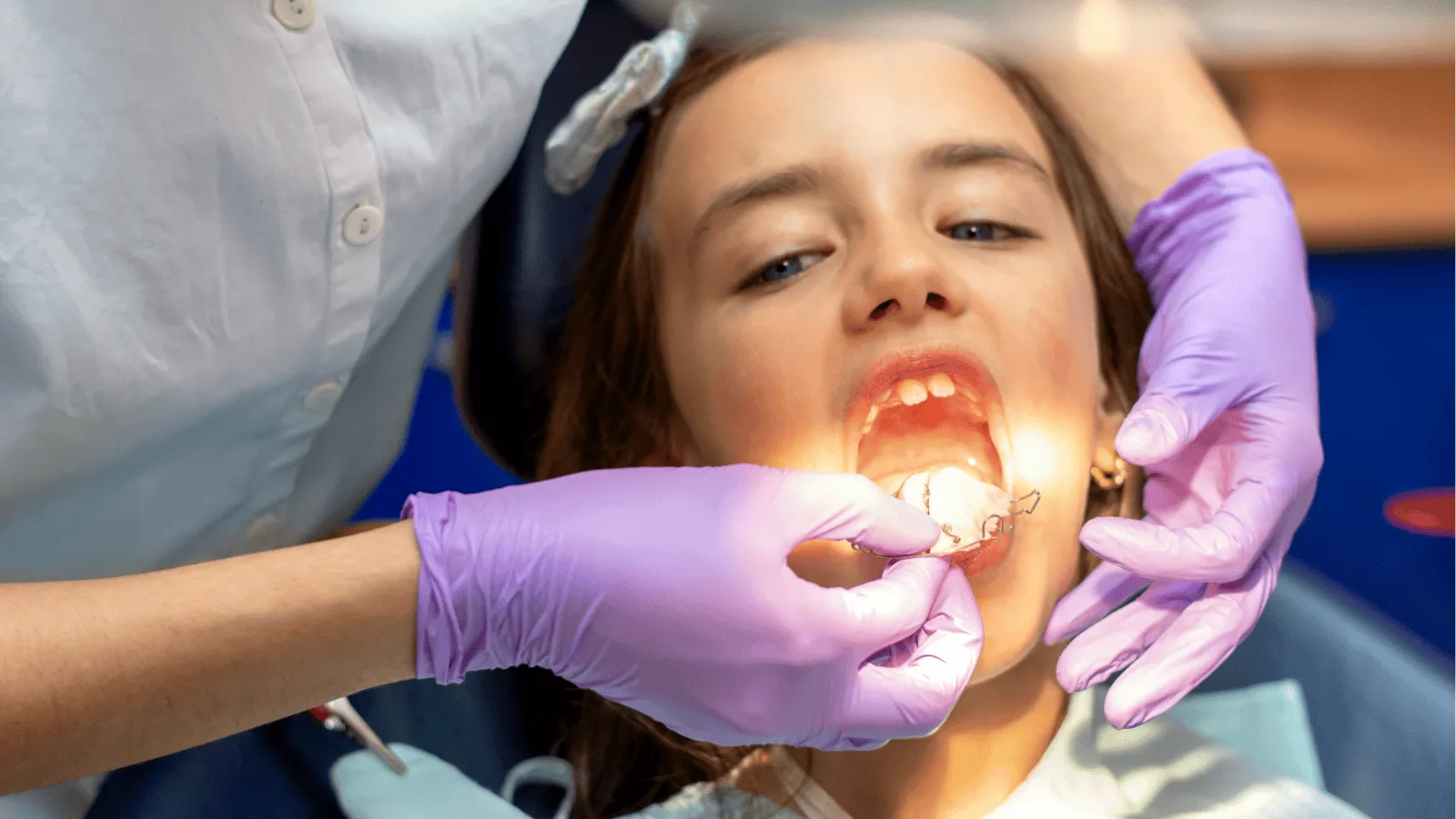
Parents often wonder when to start orthodontic care for their kids. The best age for interceptive orthodontic treatment is typically around 7 years old, as recommended by experts like the American Association of Orthodontists. This early step can guide jaw growth and fix bite issues before they worsen.
At Garrison Orthodontics, we help families spot the right time for action. Interceptive treatment, also called Phase-One, uses simple tools to make future care easier. In this post, we’ll cover why age 7 works best, signs to watch for, and what happens next. You’ll get clear facts to decide confidently.
What Is Interceptive Orthodontic Treatment?
Interceptive orthodontic treatment starts early, during the mixed dentition stage when kids have both baby and permanent teeth. It’s not full braces, more like gentle guidance to shape jaws and teeth properly. The goal is to correct problems like narrow palates or bad bites while bones are still soft and growing.
This approach splits care into phases. Phase-One tackles big issues young, then Phase-Two finishes with all permanent teeth in place. Kids between 6 and 10 benefit most because their jaws respond well to appliances like expanders or headgear. Early moves cut treatment time later and avoid tooth pulling in many cases.
Why Age 7 Is the Best Age for Interceptive Orthodontic Treatment
By age 7, a child’s first permanent molars usually appear, giving a clear view of jaw alignment and spacing. Jaws grow fast here, so small changes have big effects. Waiting until the teen years misses this window, making fixes harder and longer.
Growth spurts amplify results. Girls hit them around 10-11, boys a bit later, but starting at 7 preps everything perfectly.
Signs Your Child Might Need Interceptive Treatment at the Ideal Age
Look for clues around age 6-9. Catching them leads to the best age for interceptive orthodontic treatment.
Crowded or Shifting Teeth
Teeth overlapping by age 7? Jaws might be too small. Early expanders widen space for permanent teeth.
Early or Late Baby Tooth Loss
Losing teeth before 5 or after 7 signals timing issues. X-rays check for stuck adult teeth.
Mouth Breathing and Snoring
Nose blockages narrow the upper jaw. Expanders fix this, easing breathing too.
Thumb-Sucking After Age 4
Lingering habits push teeth out. Appliances curb it gently.
Speech Problems or Lisps
Tongue thrust from poor bites affects “s” sounds. Early fixes improve talk and alignment.
Protruding or Buck Teeth
Top teeth jutting over bottoms raise injury risk. Headgear pulls them back during growth.
Jaw Shifting or Crossbites
Side bite slips? It strains muscles. Palatal expanders correct in months.
Difficulty Chewing
Avoiding hard foods means a bite mismatch. Interceptive care balances jaws.
Grinding or Jaw Pain
Night grinding wears teeth. Bite plates protect and align.
Dr. Garrison Copeland sees these signs daily and starts kids on paths to straight smiles with minimal hassle.
Benefits of Starting at the Best Age for Interceptive Orthodontic Treatment
Timing matters for health beyond looks. Early treatment cuts the time for full braces by half in many kids. It lowers extraction odds, eases TMJ pain, and boosts breathing.
Confident kids avoid teasing and chew better, aiding nutrition. Long-term, it prevents gum issues and worn teeth. Costs drop, too; simple appliances beat complex teen fixes.
What Happens in Interceptive Treatment?
First visit: Exam, photos, X-rays. We track growth and pick tools like braces on select teeth, retainers, or expanders. Treatment lasts 6-18 months, with checkups every 6 weeks.
Kids adjust fast, no big pain, just mild pressure. Hygiene stays easy with special brushes.
Potential Downsides and When to Wait
Not every child needs it. Mild cases resolve naturally. Overtreating adds stress or cost. That’s why expert eyes at age 7 guide decisions perfectly.
Why Choose Garrison Orthodontics?
Families trust us for interceptive care because we tailor plans to each child’s growth. Our modern tools, like digital scanners, mean precise fits without goop. The waiting room keeps kids happy with games and fun vibes.
We’ve guided hundreds through the best age for interceptive orthodontic treatment, with 90% needing less Phase-Two work. Dr. Copeland’s 20 years shine in kid-friendly visits and insurance-friendly payments. Located conveniently, we offer free consults, book at garrisonorthodontics.com, and start right.
FAQs
What is the best age for interceptive orthodontic treatment?
Around 7 years old, when permanent molars emerge, and the jaws are pliable. The AAO recommends checkups by then for all kids.
How long does Phase-One last?
Usually 9-12 months, depending on the issue. It’s shorter than full braces.
Does every child need interceptive orthodontics?
No, only about 25-30% do. Signs like crowding or crossbites flag it.
Can it prevent braces altogether?
Sometimes yes, but often it shortens Phase-Two. Results vary by growth.