How Sealants and Fluoride Treatments Protect Growing Smiles
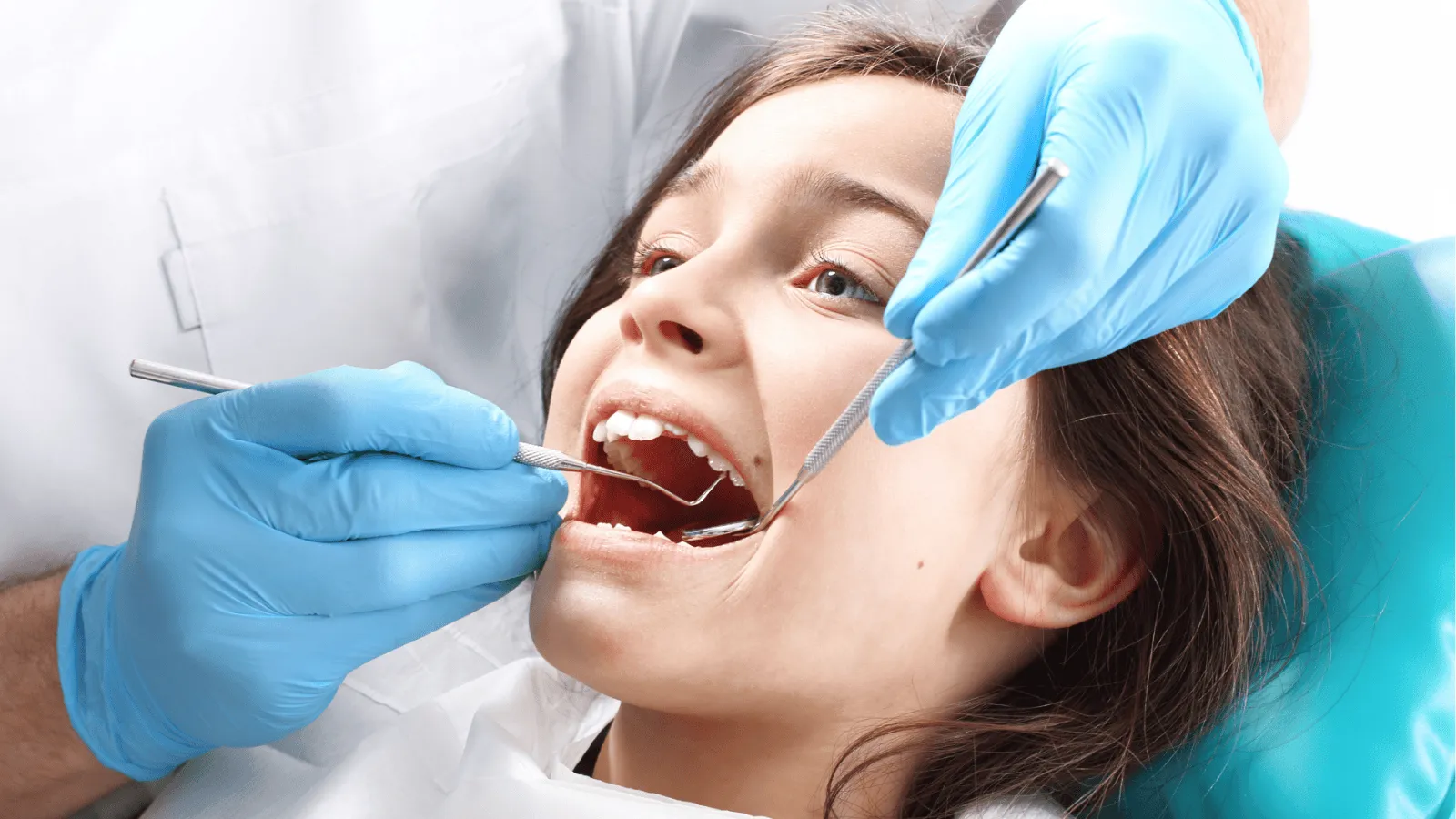
Ever watched a kid’s wide smile and thought, “I hope those new adult molars stay strong and cavity-free”? It gets wild how fast those back teeth come in, how quickly snacks can sneak into grooves, and how a little prevention now saves a lot of hassle later. These tiny shields, sealants, and fluoride may not sound exciting, but they quietly do a lot of heavy lifting to keep young teeth safe from cavities. They are simple, painless, and can make a big difference as your child grows. In this blog, we will walk you through what each is, how they help kids keep teeth strong, when they are used, and what you should ask your dentist.
Why These Tools Matter So Much
Because kids and even teens are especially vulnerable in those first years after a big tooth pops in, the chewing surfaces of back teeth have deep pits and grooves. Food and germs hang out there, and boom cavity city unless you help guard it.
The good news is that sealants act as a physical shield. Fluoride treatments strengthen the enamel. Together, they give the kind of backup you don’t always see with just brushing and flossing.
What Are Dental Sealants?
Back teeth are full of little valleys and cracks. Especially when they first come in. These are prime spots for bacteria and sugar to settle and create cavities. A sealant is like a thin plastic or resin coating on the chewing surface of the molar. It fills in those valleys, so food/bacteria can’t hide as easily.
Dental sealants can prevent about 80% of cavities in the back teeth during the first 2 years after application.
Sealants work both for preventing cavities and even halting very early decay in some cases. So if you think just brushing is enough. It helps a lot, but those grooves still get a lot of action. Sealants give that extra layer of protection.
When and How It Happens
So now you might be wondering, “Okay, sounds good, but when do kids actually get these sealants?” Don’t worry, the timing is simpler than it sounds.
- Typically, when a child’s first permanent molars come in around 6 years, and later, when second molars arrive around 12 years.
- Application is quick: clean/dry the tooth, apply the sealant liquid, let it bond/harden. No drilling, painless.
- Aftercare: the sealant should be checked at each dental visit. If it chips or wears, it can be reapplied.
Why Good For Growing Smiles
Now, here’s where it really makes sense why sealants matter most during childhood. Kids’ teeth are still new to the world, and their habits can make them easy targets for cavities.
- Kids often have less-than-perfect brushing/flossing.
- Diet may include more snacks and sugary drinks.
- Those newly-erupted teeth have less mineralization and are more vulnerable for a while.
- So giving that extra guard is smart.
What Are Fluoride Treatments?
Fluoride treatments are about strengthening the outer shell of the teeth (enamel) so that when the bacteria produce acids (from eating sugars), the enamel resists demineralization (wearing away) better, and even can re-mineralize (get stronger) in the early stages of damage. Here’s how:
- Fluoride is applied in professional settings as varnish, gel, foam, or large-dose rinse. It’s also in toothpaste and water supplies.
- When enamel is exposed to fluoride, it becomes more resistant to acid, slows the process of decay, and, if early damage is present, it helps repair it.
Fluoride varnish reduced caries initiation (new cavities) by around 32%.
Why They Complement Each Other
Sealants and fluoride work best when they team up. Sealants protect the chewing surfaces of molars, sealing off tiny grooves where food and bacteria like to hide. They are most effective right when permanent molars come in, around ages six and twelve. Fluoride treatments, meanwhile, strengthen all the tooth surfaces, especially the enamel, making teeth more resistant to acid attacks and decay.
Think of it like this: sealants act as the walls of a fortress, keeping invaders out, while fluoride is the armor that makes the whole structure tougher. If you skip one, you lose part of the protection. Fluoride alone can’t shield those deep grooves, and sealants alone can’t protect every surface. But together, they create a strong, long-lasting defense, a true dream team for growing smiles.
What Parents and Kids Should Ask/Do
Here’s a checklist you might mention at your child’s next visit to any dentist:
- Ask: “Do my child’s newly emerged permanent molars have sealants yet?”
- Ask: “Is my child a candidate for fluoride varnish today, given their diet/brushing/orthodontic status?”
- Make sure brushing twice daily with fluoride toothpaste plus flossing is in place. These tools aren’t magic. They support good habits.
- If your child has braces or other appliances, be extra diligent with cleaning, and ask if more frequent fluoride is recommended.
- Monitor for wear of sealants: ask the dentist to check them at routine exams. Believe it or not, some kids chip sealants, or they wear down follow-up matters.
- Ask about diet: more frequent snacking is equal to more acid attacks; limiting sticky/sugary foods helps maximize what sealants and fluoride do.
- Make sure your child’s dental visits are regular. Prevention works best when consistent.
End Note
Sealants and fluoride treatments are simple, painless, and powerful ways to protect your child’s growing smile. Sealants block out bacteria from settling in deep grooves, while fluoride strengthens enamel to fight off decay. Together, they form a solid defense that keeps teeth healthy for years. If your child hasn’t had these preventive treatments yet. Just schedule a quick visit with Garrison Orthodontics. It’s an easy way to make sure your child’s smile stays healthy and shining for years. Better to start now than fix things later.
FAQs
Do sealants ever wear off or need replacement?
Yes. Sealants can wear down a bit from everyday chewing. Dentists usually check them during visits and reapply if they start to fade or chip.
Is fluoride treatment safe for children? What about concerns like fluorosis?
Absolutely, fluoride treatments are safe when done professionally and in proper doses. Fluorosis mainly occurs from excessive ingestion, not from dentist-applied varnishes.
How often and at what age should fluoride treatments and sealants be applied?
It depends on risk. Fluoride treatments are usually done every three to six months once baby teeth start coming in. Sealants work best when molars begin to erupt. Typically between ages six and twelve.